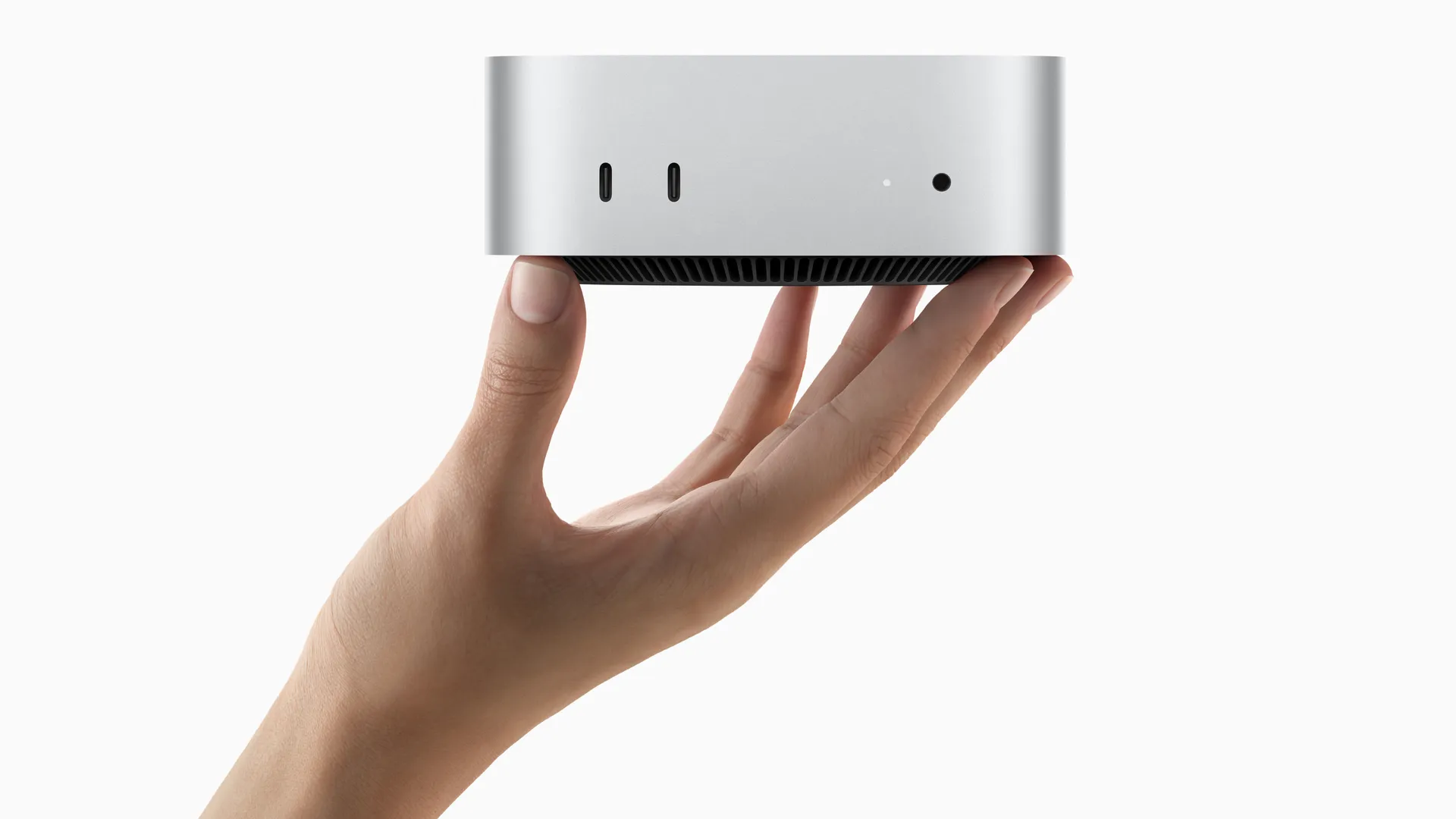
There’s a particular kind of irony only the tech industry can produce, and here's a textbook example. The Mac mini—the small, quiet, remarkably capable desktop that became the darling of creative studios, music producers and indie filmmakers—has lost its entry-level configuration. The $599 / £599 model with 256GB of storage is gone. The machine that once offered the most accessible route into a proper Apple desktop now starts at $799 / £799. But this time, it has nothing to do with Apple wanting more of your money.
The culprit is the AI boom, hoovering up the global supply of memory used in affordable computers. Your next Mac costs more because a data centre somewhere needed the memory more. And now, the base configuration of pick of the best computers for graphic design is no more.
It’s worth being clear on this, because usually when Apple raises prices, people reach for the usual explanations: corporate greed, margin expansion, the Apple tax. None of those apply here. This is a supply chain crisis with a specific cause.
Article continues belowHow AI ate your Mac mini
It's pretty simple, really. The three companies that manufacture almost all of the world's DRAM (Samsung, SK Hynix and Micron) have shifted most of their production capacity to high-bandwidth memory for AI servers. As a result, DRAM contract prices surged approximately 90 per cent in the first quarter of 2026 compared with the previous quarter, the largest quarterly increase on record. PC DRAM prices more than doubled in the same period.
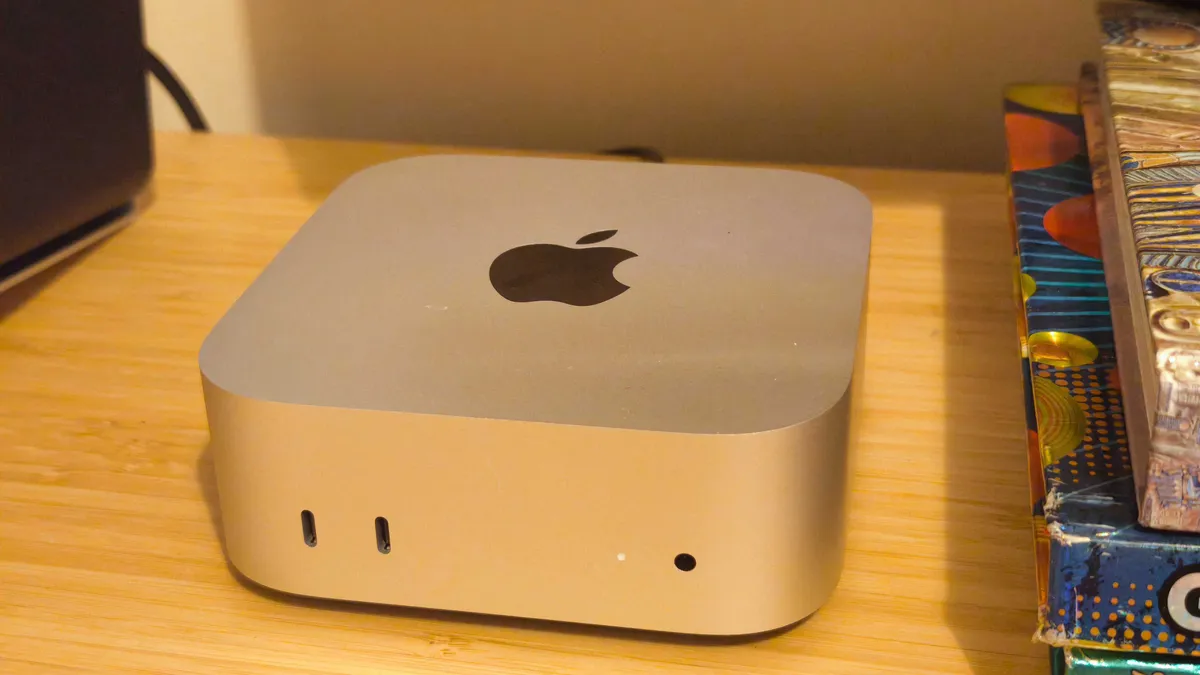
The combined capital expenditure of the five largest tech hyperscalers is on track to exceed $650 billion in 2026, nearly all of it flowing into data centres, GPUs and the memory that feeds them. That’s a figure worth thinking about. As a journalist, I often get complaints that I’m “platforming” AI, as if it would disappear overnight if design publications stopped covering it. The obvious point is this: people investing $650 billion are not going to walk away lightly, whatever anyone does or doesn't about it.
Equally, though, we can't pretend AI doesn't come at a cost. Every new AI server takes memory away from laptops, desktops, tablets and smartphones. High-bandwidth memory now consumes 23 per cent of total DRAM wafer output, and producing a single bit requires roughly three times the wafer capacity of standard memory. There’s only so much wafer capacity, leaving the consumer electronics industry to compete for what remains.
Apple's not happy
Apple isn’t hiding its frustration. Tim Cook acknowledged on a recent earnings call that the Mac mini and Mac Studio face supply constraints that “may take several months to reach supply-demand balance,” and warned that “significantly higher memory costs” will have an “increasing impact” going forward.
The $599 Mac mini was already Apple’s lowest-margin desktop. With DRAM prices doubling and storage costs rising in parallel, maintaining that price would mean selling at a loss or compromising on specs. Apple chose neither. It removed the product entirely rather than degrade it or pretend the problem wasn’t happening.
There’s a secondary irony here. The Mac mini didn’t just fall victim to the AI boom; it helped drive it. Apple Silicon’s unified memory architecture, which gives the CPU and GPU access to a shared pool of RAM, makes it an unusually efficient platform for running large language models without the cloud. Creatives and developers quickly cottoned on, and demand surged beyond what Apple had anticipated.
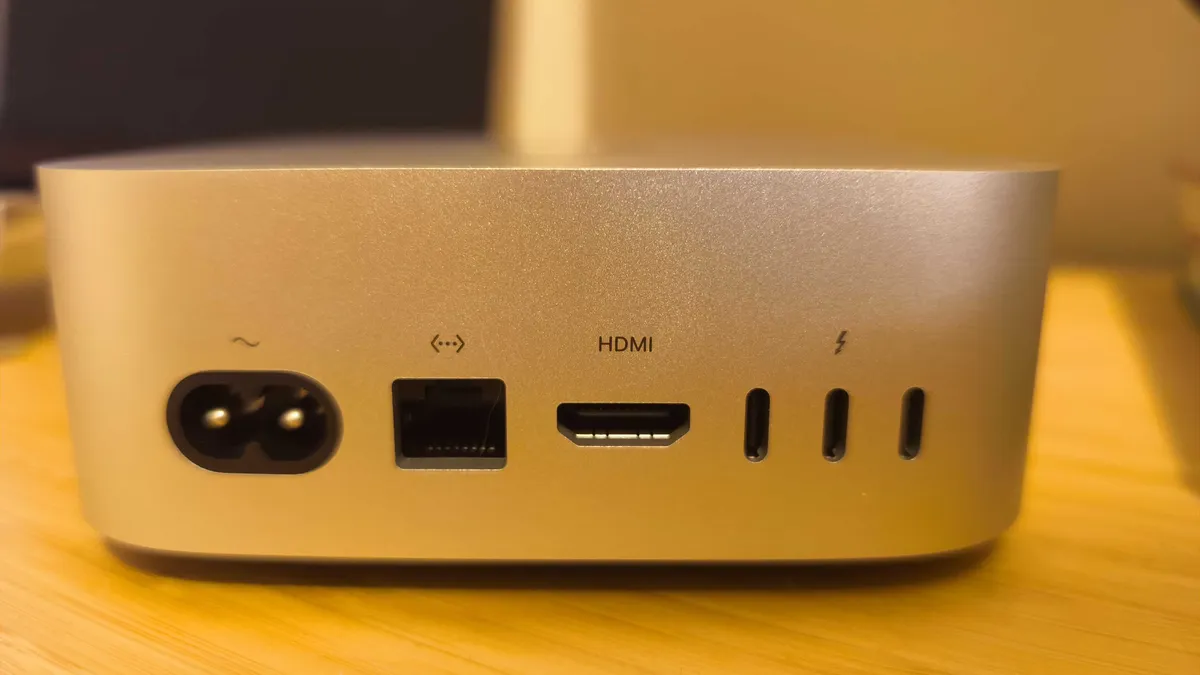
Cook confirmed as much, saying: “These are amazing platforms for AI and agentic tools, and the customer recognition of that is happening faster than what we had predicted.” The Mac mini, in short, helped fuel demand for the tech that created the supply crunch that killed its entry-level configuration. It'd be funny if it weren’t costing you $200 more.
What this means for creatives
The consequences for creatives are real and immediate. The $599 / £599 Mac mini was an extraordinary machine at that price: a compact, silent, M4-powered desktop that could handle photo editing, audio production, motion graphics and light video work without complaint. For freelancers setting up a home studio, students stepping into serious creative work, or small studios adding an extra editing station, it was one of the most compelling computers Apple had made. Now it’s gone, and there’s no direct replacement at that price.
The MacBook Neo still sits at $599 / £599, but as I’ve covered previously, it’s a lighter-duty machine running an A18 Pro chip rather than the M4, making it better suited to communication and lighter tasks than sustained creative work.
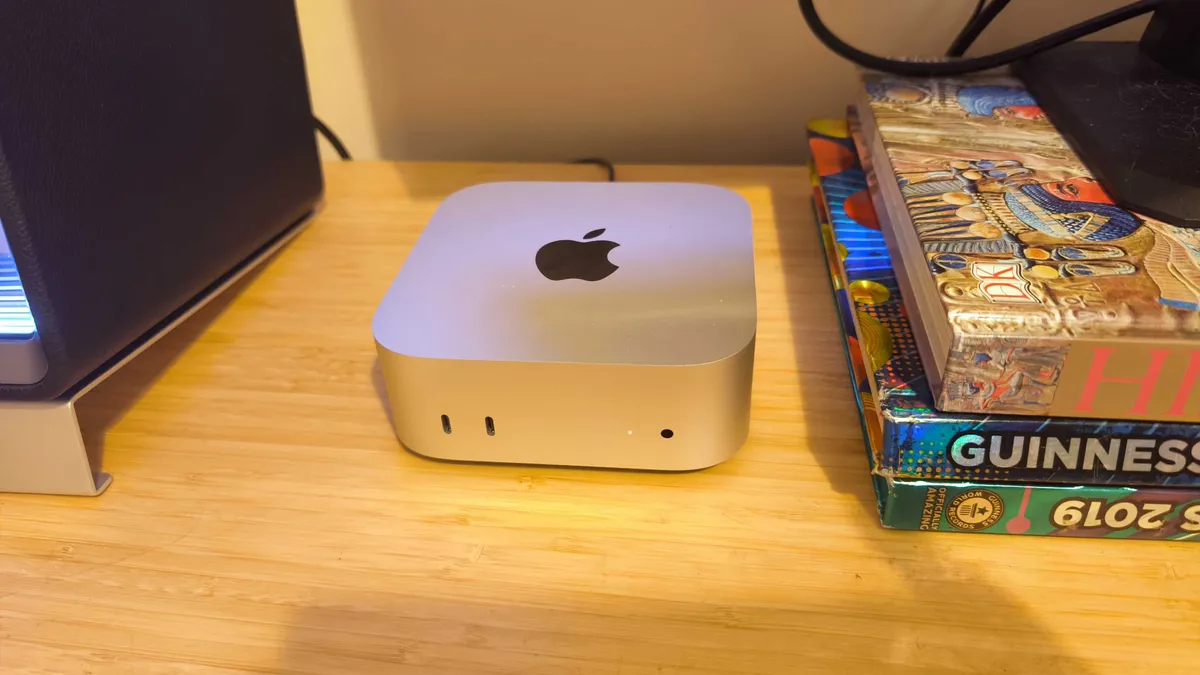
The new $799 / £799 entry point for the Mac mini is still good value, and the 512GB of storage is genuinely more useful than the 256GB it replaces. But that $200 increase is a third of the original price, and for many people, that matters.
It’s not just Apple. IDC projects that PCs, tablets and smartphones could see price increases of 10 to 20 per cent by the end of the year. The DRAM shortage isn’t expected to ease this year; new fabrication capacity takes two to three years to come online, and manufacturers have signalled they’ll prioritise AI server memory for the foreseeable future.
Put simply, if Apple – with all of its supply chain leverage – is discontinuing products and raising prices, every other PC maker is likely in worse shape. Happy 2026!