




I’ve learned that an impactful environment is about more than just a beautiful image or a spectacular landscape: it acts as a character in its own right, capable of conveying emotion all on its own. Having started my career as a concept artist, I realised that environments don’t only serve as background for characters – they're a powerful narrative tool.
All visual elements I design must serve the story being told by revealing the stakes, the history or the identity of the location. Before I even begin sketching, I always ask myself: “What happened here?” This helps me define my initial narrative intent. Every visual choice made is as much about building an atmosphere as it is about solving challenges related to composition, readability, or credibility.
I like to think that my images spark the viewer’s curiosity, inviting them to form their own interpretation of the scene. Through elements like composition, lighting or colour, a simple environment can tell its own story, inviting the viewer to imagine what took place there.
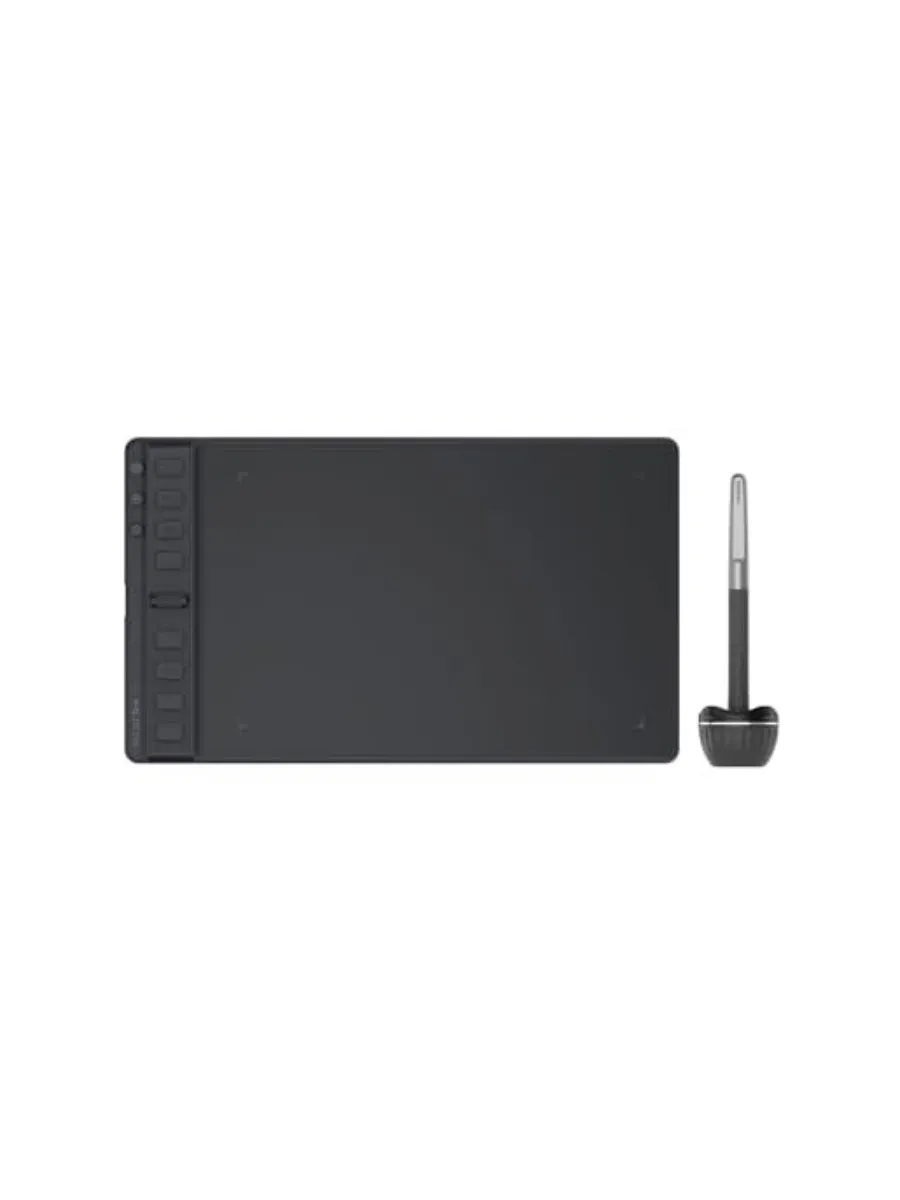
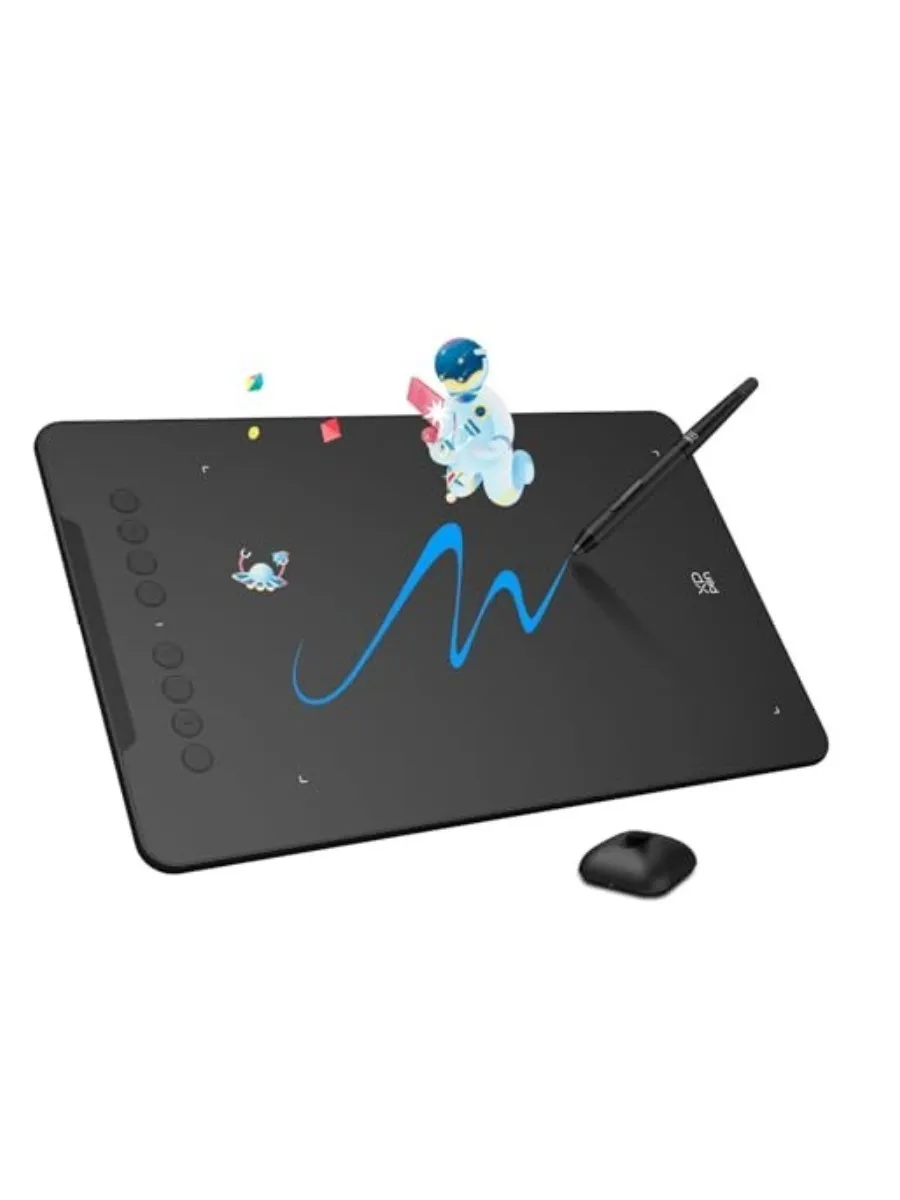
Below, I’ll share some of the key techniques I use daily to bring environments to life with a strong identity and visual storytelling. If you need to update your tools, see our guides to the best best drawing tablets and the best laptops for drawing.
01. Inspiration from the real world

Before I even begin drawing or creating my initial sketches, I always dedicate time to researching all the references needed for my project. I build a library of reference images based on real-world elements such as landscape photographs, architectural details, traditional western paintings, nature, historical documents, animals, objects, etc.

The world around us is an endless source of inspiration! That is also why I enjoy observational drawing and studying my subjects before creating a unique image from my imagination. I might do this using traditional media directly in my sketchbook or digitally; I like to vary my techniques
02. Building a coherent world

I always try to give each environment its own distinct personality and identity. It is this identity that guides my artistic choices and shapes every design decision I make after that. An environment that feels like part of a much larger universe is always more impactful and credible.
To achieve this, I always consider architectural elements, the location’s history, culture, climate and technology, along with anything else that helps build a world the viewer wants to explore. The real challenge is successfully turning this environment into a veritable character in its own right within the story.
03. Exploring shapes and silhouettes

During my creative process, I often explore silhouettes and shapes before diving into the details. This allows me to focus on the overall forms and define the primary forms. Finding strong, impactful silhouettes, even from a distance, ensures the design is instantly recognisable and readable.
This might take the form of quick sketches of various architectural or natural elements. My goal here is to explore multiple possibilities and generate as many iterations as possible to find an interesting design. The silhouettes need to be expressive and recognisable at a glance.
04. Light as a narrative tool

Light is a powerful compositional tool; it helps convey a clear intent and guides the viewer’s eye. I always strive to craft the lighting to create an interesting focal point within the image. Carefully designed lighting can transform an ordinary setting into a memorable scene that evokes a specific emotion.
I often use light as a narrative element to suggest the time of day, the atmosphere or a particular emotion; I view it as a true emotional language. Strong contrast around the main subject immediately draws the eye. Conversely, softer areas allow the viewer’s gaze to rest.
05. Design by line

The design phase is probably the most important, which is why, when I have more complex designs to create, I often proceed with a more precise outline to establish a truly solid foundation. This allows me to resolve any challenges that arise when conceptualising a specific environment or architectural style.

I start by establishing the main shapes, then gradually work in the details. It is a decisive step for the rest of the project as during this stage I determine the function of my various designs. Using this process is common in video games.
06. Playing with scale

To bring my environments to life, I enjoy playing with proportions and varying scales. Pairing small elements with gigantic structures instantly captures the viewer’s attention and lends the image an almost mythological aspect.
This dramatic contrast in scale also allows me to create compositions that reinforce this sense of exploration and travel. These contrasts further amplify the feeling of wonder. I love the idea of the viewer imagining themselves exploring these places, much like they would in a video game, for instance
07. Creating fantasy architectural designs
How to draw convincing buildings using real-world references
A. Work in large shapes

After gathering photo references of architectural elements for this world, I begin working on the main masses. 3D can be a great tool for laying out initial, very simple shapes made up of primitives like cubes or cylinders. I model my 3D base using Blender.
B. Adding a precise line

Once I’ve blocked in the main shapes, I start drawing over them with more precise line work. This allows me to refine the designs and add small details like decorations, props, vegetation, etc. This line work serves as a solid foundation for moving on to colour.
C. Bring your design to life

For the final stage, I focus on colours and textures. I aim to achieve a pleasing colour harmony and bring the buildings to life by adding details that suggest imperfection: signs of wear, dirt and stains, etc. I wanted to depict a peaceful and unique place.
08. Emotion through colour

Colours define the mood, but they also convey emotion. I love using vibrant shades and harmonies that evoke a sense of wonder. Nature is my primary source of inspiration, though I also draw from the worlds of Studio Ghibli and the work of great western painters.

I view colour as a tool that lends a unique feel to my images and serves as a key narrative element. Much like light, colour allows me to highlight and draw attention to a crucial element within the image.
09. Creating a mood

When creating an illustration, I always strive to ensure the atmosphere aligns with the emotion or story I wish to convey. I place great importance on crafting a unique atmosphere that transforms the setting into a true protagonist of the story being told.

Mystery is also a powerful narrative device; it is an element I love to incorporate into my images because it allows the viewer’s imagination and interpretation to run free. Lighting, composition, the depth of the various planes and colour harmony all play a role in creating this feeling and bringing it to life.
10. Adapting and exploring

Over the years, I’ve had the opportunity to experiment with various techniques and acquire a range of skills, allowing me to adapt to different media and graphic styles. In a constantly changing world, adaptability is a valuable asset. I strongly encourage exploring different mediums.
Learning tools like 3D software (specifically Blender) proved to be a real asset early in my career. It’s always a great way to satisfy one’s curiosity and challenge oneself. However, I believe the tool itself shouldn’t become the ultimate goal, as it’s easy to get lost in the process.
Gear up
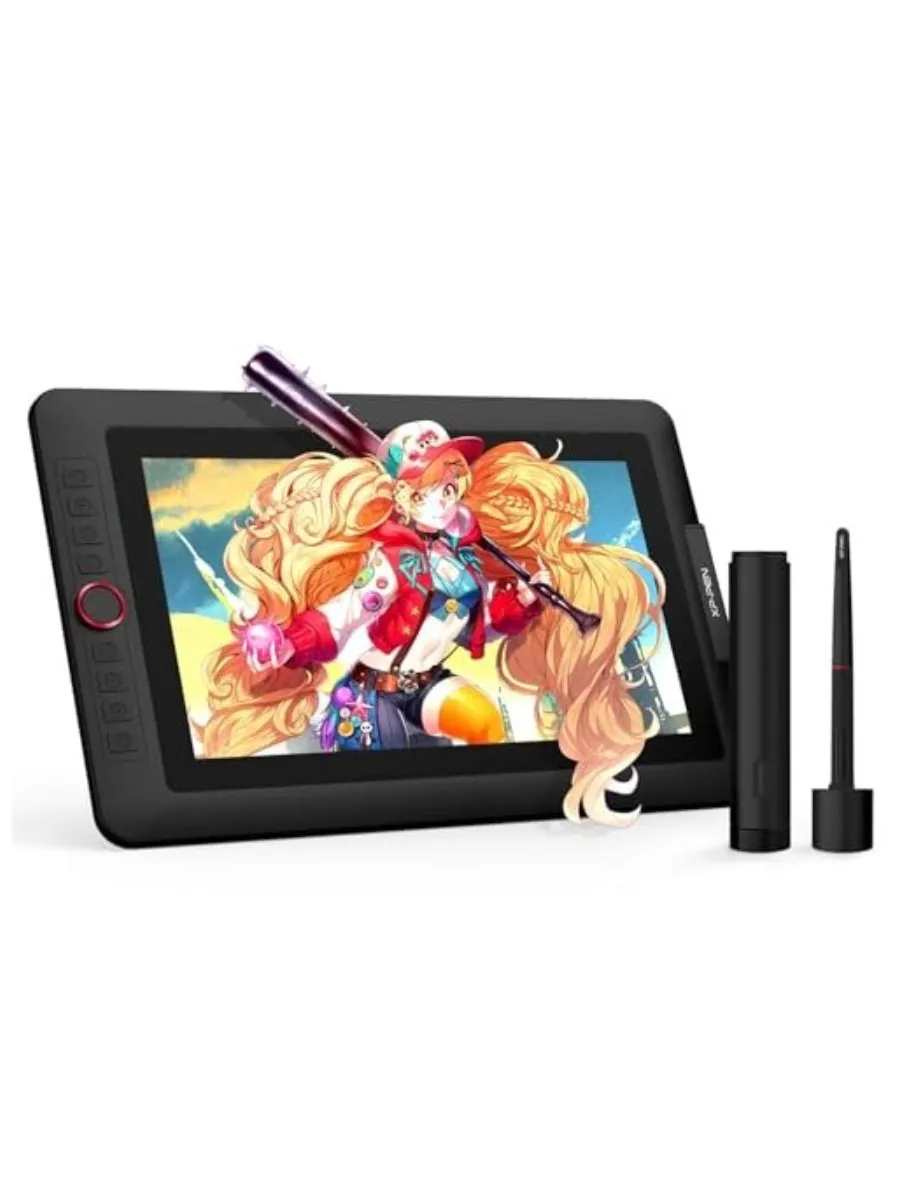
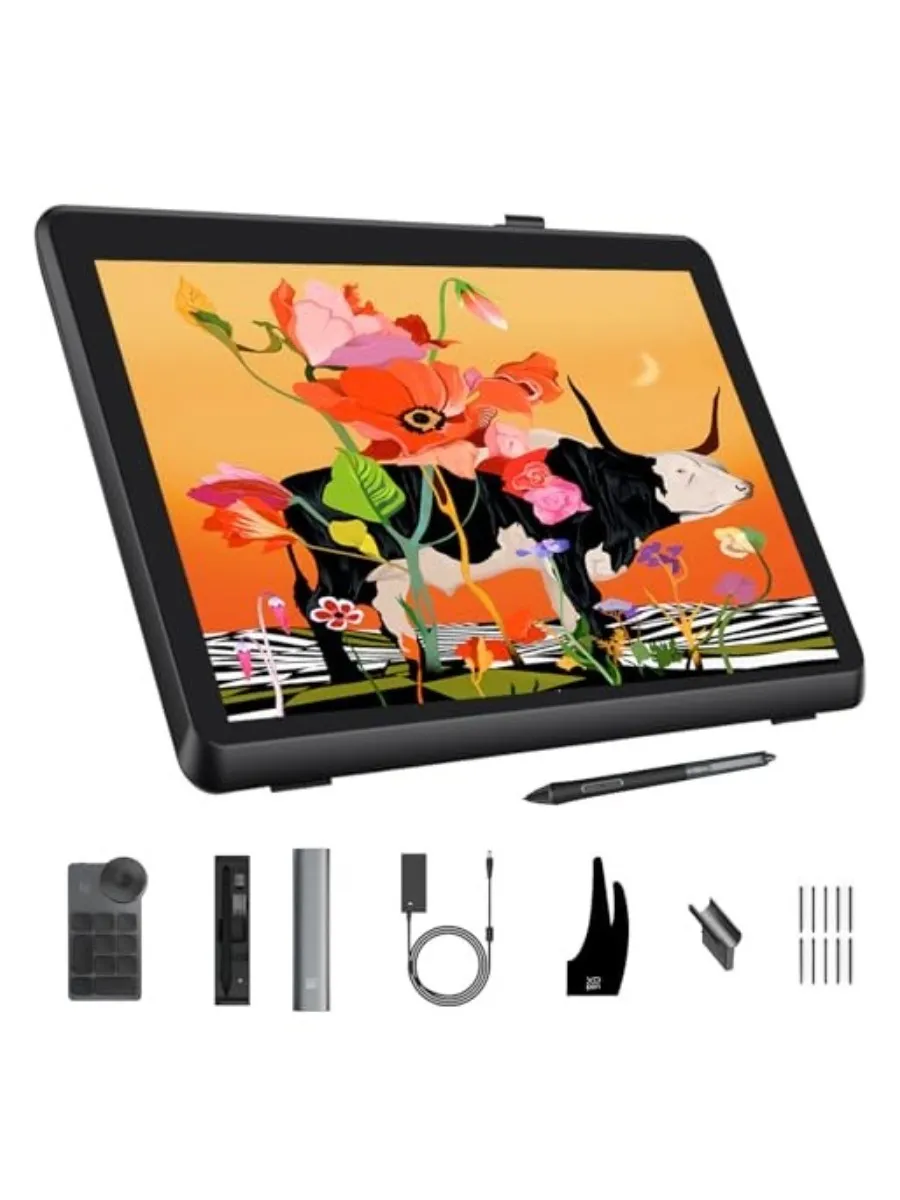
See below for today's best deals on drawing tablets.
This article originally appeared in ImagineFX. Subscribe to ImagineFX to never miss an issue. Print and digital subscriptions are available.
Creative Bloq is now easier to access than ever before with our on-the-go app, which brings you all the content you know and love from our website, but in a super-streamlined design.
Download the Creative Bloq app for iOS
Download the Creative Bloq app for Android

